Choosing a Sleep Monitor for an Aging Parent: The 7-Point Checklist (2026)
Dovy Paukstys
Founder, Komori Care
The 3 A.M. Question
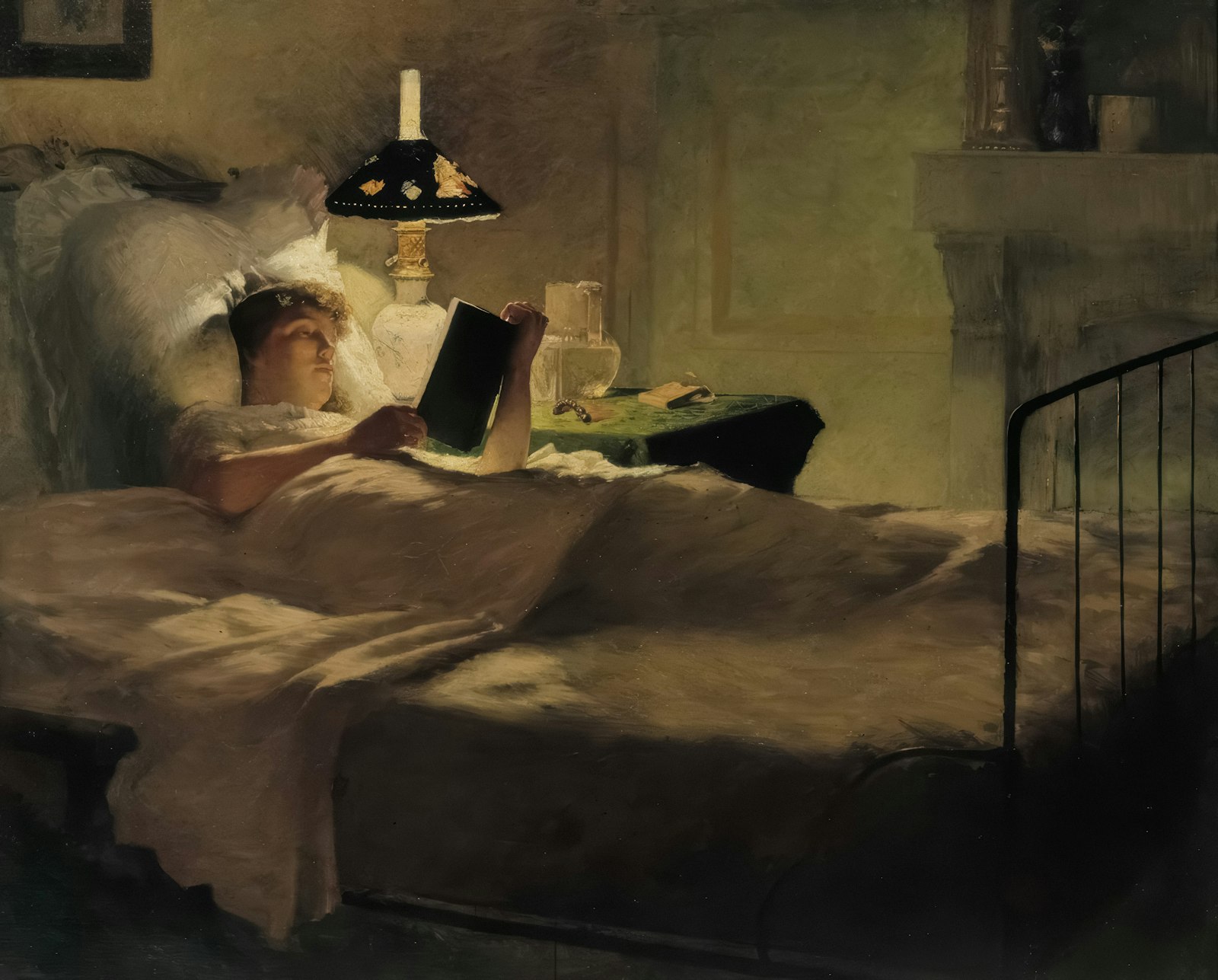
Every adult child with an aging parent living alone knows the question. It arrives at 3 a.m., uninvited: is she okay right now? Did she get up? Did she fall? Is she sleeping at all?
You can't move in. Calling every morning helps, but it tells you about the morning, not the night. And the obvious tech answer — put a camera in the bedroom — fails the only test that matters: would you accept one in yours?
We've written before about the emotional side of monitoring a parent without being creepy. This piece is the practical companion: when you've decided some form of overnight awareness is right for your family, how do you actually choose the device? Here's the checklist I'd use — with the disclosure that I founded Komori Care, which is building a product in this space that is not yet shipping. The checklist applies to us as hard as to anyone.
Want a follow-up on this topic? Get a note when Komori launches (2027)
One email when the contactless monitor ships, plus the occasional short follow-up on this topic. No spam, leave any time.
Why Wearables Usually Fail This Job
The sleep-tracking market is built around rings and watches, so that's where most families start. For an aging parent, wearables have a structural problem: they only work if they're worn, charged, and tolerated every single night.
That's three daily acts of compliance. A ring gets set on the nightstand after washing hands and stays there. A watch needs charging discipline that's easy to lose and uncomfortable to sleep in. None of this is about capability — it's about the reality that a monitoring solution that depends on a new nightly habit, adopted late in life, usually stops working within a month. Quietly. Which is the worst way for it to stop working, because you think you have coverage and you don't.
Why Cameras Are the Wrong Default
Cameras solve the caregiver's anxiety by spending the parent's dignity. Most parents — most people — do not want to be watched in bed, and agreeing to it under family pressure is not the same as wanting it. A monitoring arrangement the parent resents gets unplugged "accidentally," blocked by a plant, or tolerated at the cost of the relationship.
The good news: for the question you're actually asking — is she up, is she down, is she restless, did something change? — video is unnecessary. Presence, movement, and trend data answer it without a lens in the room.
The 7-Point Checklist
1. Nothing to wear, charge, or remember. The device should work if your parent does absolutely nothing. Passive by design, invisible in daily life. This single requirement eliminates most of the consumer sleep-tracker market.
2. No camera in the bedroom. Not "a camera with privacy mode." No lens. It changes the conversation with your parent from surveillance to awareness.
3. Bed presence and exit awareness. The single most useful overnight signal for a caregiver: in bed, out of bed, and for how long. We've covered the dedicated options in bed exit alerts without a camera.
4. Trends, not scores. A "sleep score" designed for biohackers is noise here. What you want is change detection: nights are more restless than last month, bed exits are trending up, sleep timing is drifting. Boring, consistent data beats gamified data.
5. Shared visibility — with the parent in control. The data should be shareable with family by the parent's choice, not extracted around them. A parent who owns the arrangement keeps the arrangement.
6. A privacy story you can explain in one breath. Where does data go? What's actually recorded? Is it encrypted? If the vendor can't answer plainly, assume the answer is bad. Our privacy comparison of sleep trackers shows how much the market varies.
7. It works every night without a subscription dispute. Whatever the pricing model, the core overnight awareness should not be one lapsed credit card away from silently turning off.
The Form Factors, Through That Lens
Under-mattress pads (Withings Sleep Analyzer, Emfit) pass points 1 and 2 completely — nothing to wear, no camera. They're mature, affordable, and passive. Their gaps: bed-exit awareness is partial, position is invisible, and the data products are built for self-trackers, not caregivers. Today they're still often the pragmatic pick; see the full contactless comparison.
Pressure mat alarms (the medical-supply option) are binary: weight on, weight off, alarm. They do one job loudly. For a parent with significant nighttime risk they're proven — but they're an alarm, not awareness, and false alarms breed alarm fatigue in everyone.
Smart displays and speakers offer motion-sensing sleep features, but they put a microphone-first device from an advertising company in the bedroom — point 6 becomes a hard conversation.
Radar sensing — the category Komori is being built in — reads presence, position, and movement through blankets with no camera and no contact. It's the form factor designed around exactly this checklist. Honesty requires the caveat: Komori is pre-launch (Kickstarter planned Q1 2027) and its capabilities are design intent, not shipped fact. The caregiving page describes what we're building.
Red Flags That Should End a Purchase
- Fall-detection promises from a sleep device. Detecting a fall reliably is a hard, regulated problem. A sleep monitor that casually claims it is telling you about its marketing, not its engineering.
- Medical claims without clearance. "Detects apnea," "monitors heart health" — if a consumer device makes condition-level claims, ask for the regulatory clearance. No answer means no.
- Data hostage-taking. If exports and sharing require an ongoing subscription, your family's baseline data is leverage.
- Vagueness about what's recorded. "AI-powered insights" is not an answer to "is there a microphone and what does it keep?"
Have the Conversation Before You Have the Checkout
Choose with your parent, not for them. Show them what the device sees and — more importantly — what it can't see. Put their control of sharing in writing, even informally. The best monitoring setup is the one your parent describes to their friends as "my sleep gadget," not "the thing my kids installed."
One boundary worth stating plainly: overnight awareness devices — including anything we ship — are wellness products, not safety-of-life systems. They are not medical devices, they don't diagnose or treat anything, and they are not a substitute for medical alert systems, care visits, or a clinician's judgment. If your parent has an acute medical risk at night, that conversation belongs with their doctor first, device second.
The Bottom Line
Buy passive. Refuse cameras. Demand bed-exit awareness and trend data. Keep the parent in control of sharing. Walk away from fall-detection theater and medical claims without clearance.
The under-mattress pads are the pragmatic answer you can install this week. Radar is the form factor built for this job, arriving now — and it's why Komori exists.
Komori Care is a contactless sleep monitor in development — radar + ambient sensing, no wearable, no camera. Kickstarter launching Q1 2027. Join the waitlist to get notified when we ship.
Keep reading
- Overnight sleep habits for aging parents — contactless shortlist, wellness framing only.
Want a follow-up on this topic? Get a note when Komori launches (2027)
One email when the contactless monitor ships, plus the occasional short follow-up on this topic. No spam, leave any time.
Keep reading
Want to see your sleep position data?
Join the free waitlist for launch updates. Or lock in founder pricing with the Insider Pass ($49, credited toward your purchase).