For Researchers
The Komori Research Platform
A multi-sensor contactless sleep-data suite — 60 GHz radar, ambient environment sensing, thermal (encrypted feed; no images stored, only derived metrics), and on-device audio classification (features-only; raw audio not kept unless the user explicitly asks) — built for home-based longitudinal research at scale. Bigger than any single device: a sensor platform plus the research hub that collaborators use to design studies, pull data, and validate algorithms.
Built around foundational research collaborations with academic and clinical partners under appropriate protocols. Actively seeking additional academic, IRB, and clinical collaborators.
Foundational Research Collaboration
Clinical & Academic Research Partners
The Komori Research Platform is being deployed in active collaboration with clinical and academic research partners under appropriate protocols. Our partners bring deep clinical expertise in nocturnal monitoring and epilepsy research; Komori contributes the multi-sensor contactless infrastructure.
This is the foundational research collaboration the platform is being built around. Additional research collaborations are actively being formed — see how to partner below.
What Komori Offers Researchers
Contactless overnight data collection
Position, movement, temperature, sound, environment -- without PSG lab constraints.
Home-based longitudinal studies
Subjects sleep in their own beds. No lab required. Weeks or months of continuous data.
Designed for participant compliance
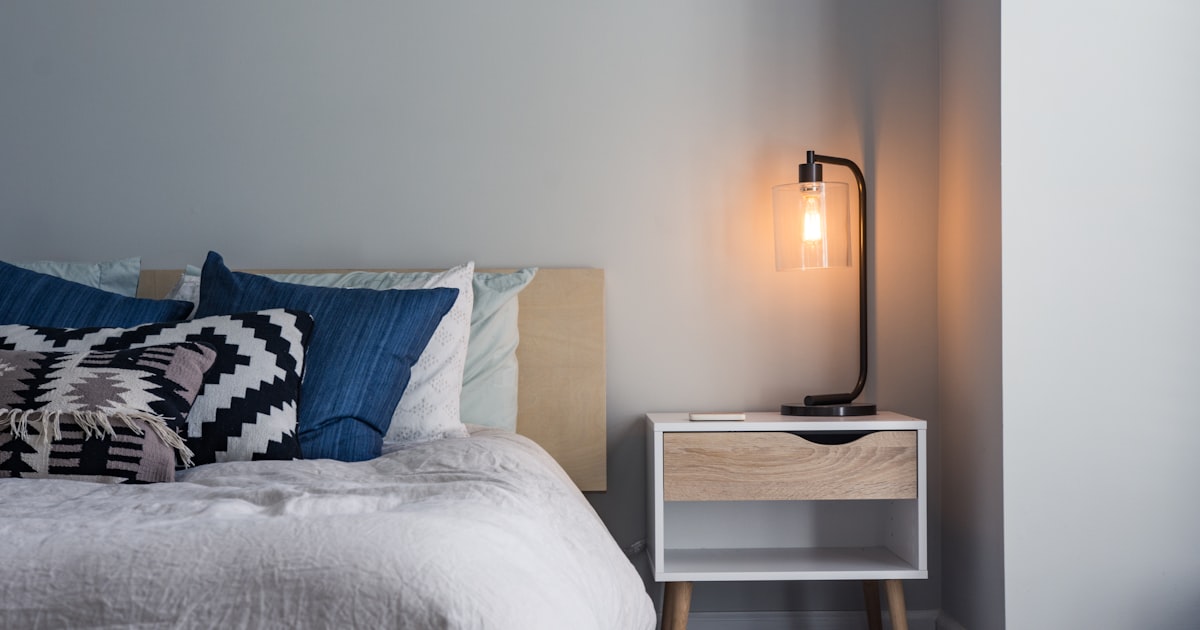
No camera, no wearable to charge. The sensor mounts above the bed with the base unit on the nightstand, and the system is designed to fade into the background of the participant's bedroom.
IRB-friendly by design
No identifiable imagery. No audio recording by default. Full de-identification architecture.
Flexible data export
Data available via FHIR bundles, CSV export, or API access. Integrates with your existing research infrastructure.
Research Capabilities
| Capability | Description |
|---|---|
| Sleep position classification | Supine/prone/left/right continuously through blankets |
| Movement pattern analysis | Micro-movements, position shifts, arousals with timestamps and intensity |
| Overnight temperature trends | Contactless skin temperature deviation from baseline |
| Sound event classification | 14 types: snoring, coughing, bruxism, sleep talking, and more (on-device microphone only records audio features; raw audio not kept unless the user explicitly asks) |
| Environmental correlation | CO2, temperature, humidity, light, noise correlated with sleep quality |
| User-defined event annotation | Participants tag events in their own words -- supports labeled training data |
| Wearable integration | Designed to pair with wearables (Oura, Apple Watch, Garmin, Fitbit) for cross-validation in study protocols |
| Multi-night longitudinal data | Continuous home monitoring for weeks/months, not single-night PSG |
Current Research Interests
These are open questions we would like to study with collaborators — not things Komori does. Komori is a general wellness device with no FDA clearance. It is not a medical device, does not detect seizures, and is not intended to diagnose, treat, prevent, or cure any condition.
Whether sleep position correlates with obstructive sleep apnea severity
Whether contactless movement signatures correspond to clinically annotated nocturnal events
Whether position correlates with autonomic dysfunction in POTS
Whether overnight temperature trends change measurably before symptom onset
How environmental factors (CO2, humidity) relate to sleep quality
How radar-derived measures compare against PSG and wearable reference standards
How We Share Data
Komori data is never sold. When data is shared with research collaborators, it is shared exclusively for scientific and clinical research, under written collaboration terms.
Research collaborators retain full ownership of their research. We don't control if or when they publish. See our Research Participation Terms for full details.
Audio and video recordings are NEVER part of the research dataset. When research participants share data, only sensor metadata is included — event type, duration, timestamps, movement intensity, position, environmental readings. The actual audio or video recordings always remain on the participant's device and are never accessible to researchers or Komori Care.
The Komori Research Hub
The Research Hub is the collaborator-facing layer of the platform — where research partners design study protocols, configure device fleets, pull sensor data via API or FHIR, annotate events, and export to their own analysis pipelines. The Hub treats the contactless sensor suite as a programmable research instrument, not a fixed consumer product.
Hub access is granted to research collaborators under written collaboration terms. If your group is interested in building on the platform, reach out below.
Partnership Models
1
Device loan
We provide devices for your study at no cost
2
Co-publication
Joint research with shared authorship
3
Clinical validation
PSG-concurrent study to validate radar algorithms
4
Custom firmware
Modified data collection for specific research protocols
The Founder's Research Background
Dovy is a data engineer who has spent the past decade building systems that collect, process, and surface sensor data in real time. When his twins were born premature and spent time in the NICU, he experienced firsthand how continuous monitoring can save lives -- and how existing consumer solutions fail to deliver that same confidence at home.
He researched every existing product: Owlet (pulse oximetry, FDA battles), SAMi (camera-based, discontinued), Nanit (camera), Withings Sleep (mat sensor). None tracked sleep position through blankets without a camera. That gap -- and that personal need -- led to Komori Care.
Komori's engineering team brings deep experience in radar signal processing, embedded systems (TI mmWave, Raspberry Pi CM5), and health data infrastructure (FHIR, HL7, GCP healthcare APIs). We build for clinical-grade data quality while maintaining consumer-grade usability.
Interested in Partnering?
Reach out with your institution, research area, and what you're hoping to study.
We respond within 48 hours.
Contact Our Research Teamresearch@komoricare.com
From the Blog
Related reading from the Komori Care blog.