Is Sleeping on Your Stomach Bad?
Dovy Paukstys
Founder, Komori Care
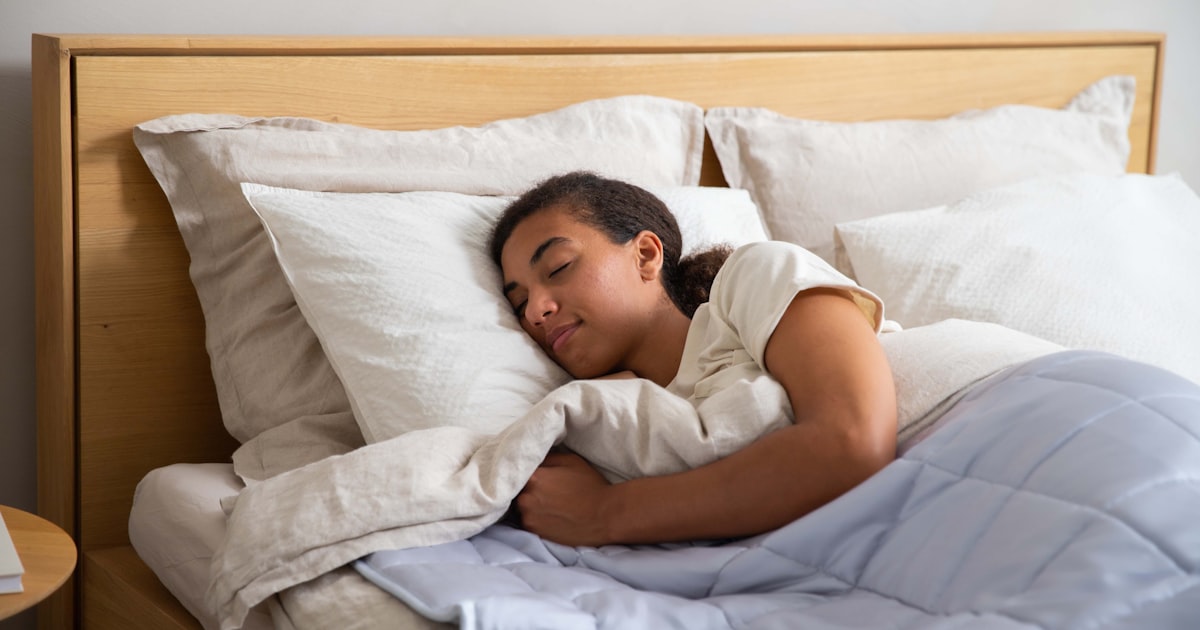
Is Sleeping on Your Stomach Bad?
By Dovy Paukstys, Founder, Komori Care
This article is educational and is not medical advice. It does not diagnose, treat, prevent, or cure any condition. Komori is not a medical device, is not FDA-cleared, does not detect seizures, and is not intended for people with epilepsy. Talk with a neurologist or epileptologist about personal medical decisions. Households living with epilepsy should use clinically validated seizure-detection devices as directed by their care team.
People type "sleep on your stomach" because the neck hurt this morning, or the face looks like it lost a fight with a pillow. Or a listicle told them to stop, and they want a cleaner answer than a scolding.
I don't have epilepsy. I build a contactless sleep-position monitor. This is a wellness page about a way of lying down. Comfort. Neck. Breathing. What the body does after you stop choosing.
This page is for adults. Infant stomach-sleep is a different medical topic. I stop there.
The shape, not the lecture
You lie prone. The nose has to point somewhere. The head rotates. One shoulder comes forward. The chest presses the mattress. The low back either flattens or arches so you can still breathe.
That is stomach sleeping. It is a twist you hold for hours.
Some adults like it. They drop off faster face-down. They think they snore less. They have always done it. None of that makes the twist disappear.
I am not going to invent a trial that proves a percentage. I don't have one. Mechanics are enough.
Comfort at lights-out is not the same as comfort at 3 a.m. The body does not get a vote once you are out.
Want a follow-up on this topic? Get a note when Komori launches (2027)
One email when the contactless monitor ships, plus the occasional short follow-up on this topic. No spam, leave any time.
Neck
Stomach sleepers turn the head so they can breathe. That rotation is not a glance. It is a parked twist.
Morning pain on one side of the neck is the usual bill. A thick pillow jacks the head up while the spine stays down. A thin pillow dumps the face into the mattress and the neck still rotates to find air.
A numb hand is common. An arm that went to sleep under a pillow is common. None of that is a diagnosis. If the pain sticks around, that is a clinician or a physical therapist, not a blog.
A body pillow or a hand under the cheek does not straighten the neck. It just changes the pile.
We already keep a wider map at which position, for which problem. This page stays on the belly.
Breathing, without the panic
Stomach sleep is face-in-the-pillow sleep. You cannot hover. One cheek spends the night in fabric. One nostril works. The other does not.
For a lot of people that is just a stuffed-up morning. For some it is a reason they wake. I am not going to invent a study that says stomach sleeping causes sleep apnea. I do not have one in front of me.
If you snore, gasp, or someone says you stop breathing, that is a medical conversation. Position can matter for that. Same rule for reflux and a sore shoulder. Those tradeoffs already live on the which position, for which problem page. This page will not become an apnea clinic.
You can intend side and still wake prone
A lot of adults already "know" they should not sleep on the stomach. They start on the side. They wake on the belly anyway.
Intention is not a log. You remember how you fell asleep. You do not remember the 2 a.m. roll.
That gap is why a sleep position monitor is a category at all. It is not a cure for a sore neck. It is a way to stop guessing. Side, back, or stomach. How long in each. No camera. No strap.
Side sleeping at night is the habit page if you want the default, not the scolding.
Komori is being built for that log. Kickstarter is the plan for Q1 2027. That is a shipping target. It is not a medical milestone.
What epilepsy.com already says about the stomach
I am not rewriting SUDEP 101. This is not that article. If that is the search you meant, start at warning signs of SUDEP.
The Epilepsy Foundation's page on safety while sleeping already tells people to avoid sleeping on the stomach. They say a person who has a seizure face down in bed may suffocate. They say fluids need a side-lying airway.
Those are their sentences. I am not going to unpack them here.
Households living with epilepsy should take that page to a neurologist or epileptologist, not to a gadget cart. Nighttime seizures is our map of why the night feels different. Stay, Safe, Side is first aid.
Stomach sleeping as a comfort habit and stomach sleeping on their night-safety list are the same position. The stakes are not the same. Mixing the two is how a wellness page turns into a scare page. I will not do that.
Komori is not a medical device. It does not detect seizures. It is not intended for people with epilepsy. If a care team wants a detector in the house, they pick it.
What this page can actually do
It can say the neck works harder on the stomach. It can say the face is in a pillow. It can say you probably do not stay put. It can say epilepsy.com already printed "avoid sleeping on your stomach" for a different audience. It can say infants are out of scope.
It cannot tell you to flip tonight. It cannot tell you your pain is from the pose. It cannot tell you the night was safe.
If the question left is how the night was spent, that is position. Contactless. No camera. Not a detector. Not a diagnosis. The waitlist is for that question. Nothing else.
Want a follow-up on this topic? Get a note when Komori launches (2027)
One email when the contactless monitor ships, plus the occasional short follow-up on this topic. No spam, leave any time.
Keep reading

Want to see your sleep position data?
Join the free waitlist for launch updates. Or lock in founder pricing with the Insider Pass ($49, credited toward your purchase).