Why Your Wearable Never Sees Sleep Position
Dovy Paukstys
Founder, Komori Care
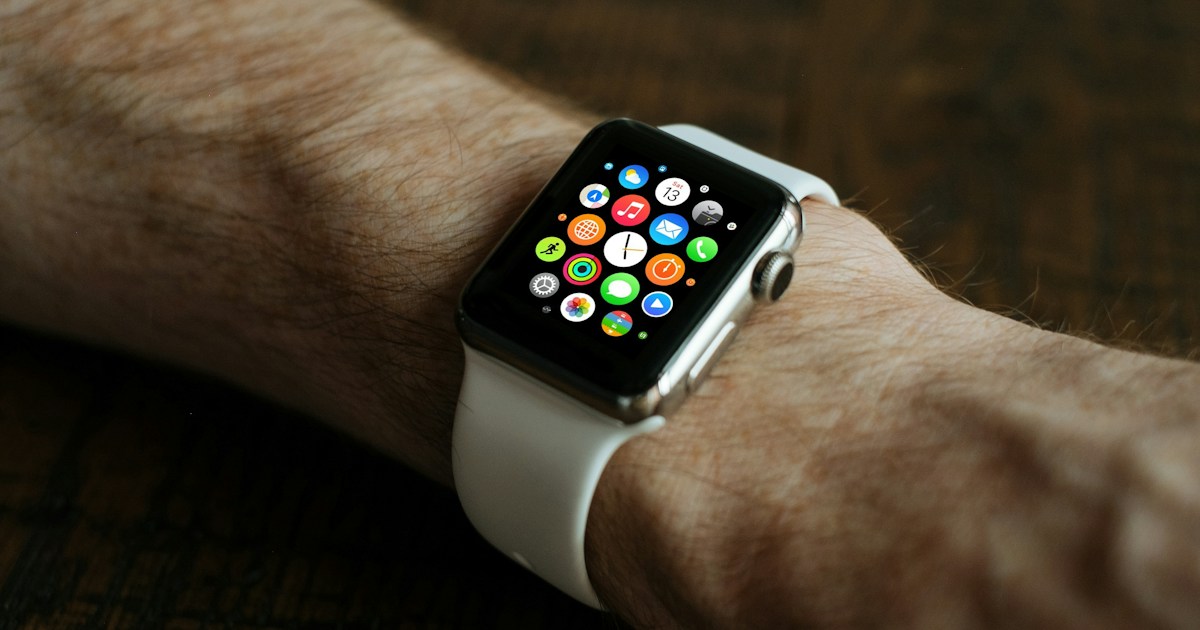
The Job Mix-Up
You bought a ring to track your sleep. You wear it every night. The app shows you sleep stages, heart rate, HRV, maybe a readiness score. It's all very precise.
Then one morning you wonder: did I sleep on my back last night? You open the app. There's no answer. The ring doesn't know.
That's not a bug. That's geometry. A wrist or ring wearable sits on your limb. Sleep position is a torso job. Your hand can be anywhere — under the pillow, across your chest, off the side of the bed — while your back, side, or stomach stays put. The sensor is in the wrong place to answer the question.
This post explains what a ring or watch can actually "see" from your wrist, why blankets and limb placement break position inference, and what kind of sensor is designed for room-scale motion and position context.
Quick Answer
If you want overnight position (back / side / stomach) without a camera, a wrist or ring wearable is the wrong tool: optical and IMU sensors sit on a limb and infer stages, not body orientation under blankets. A bedside contactless sensor is designed for room-scale motion and position context. Rings still win for daytime recovery trends — different job.
What a Ring or Watch Can Actually "See"
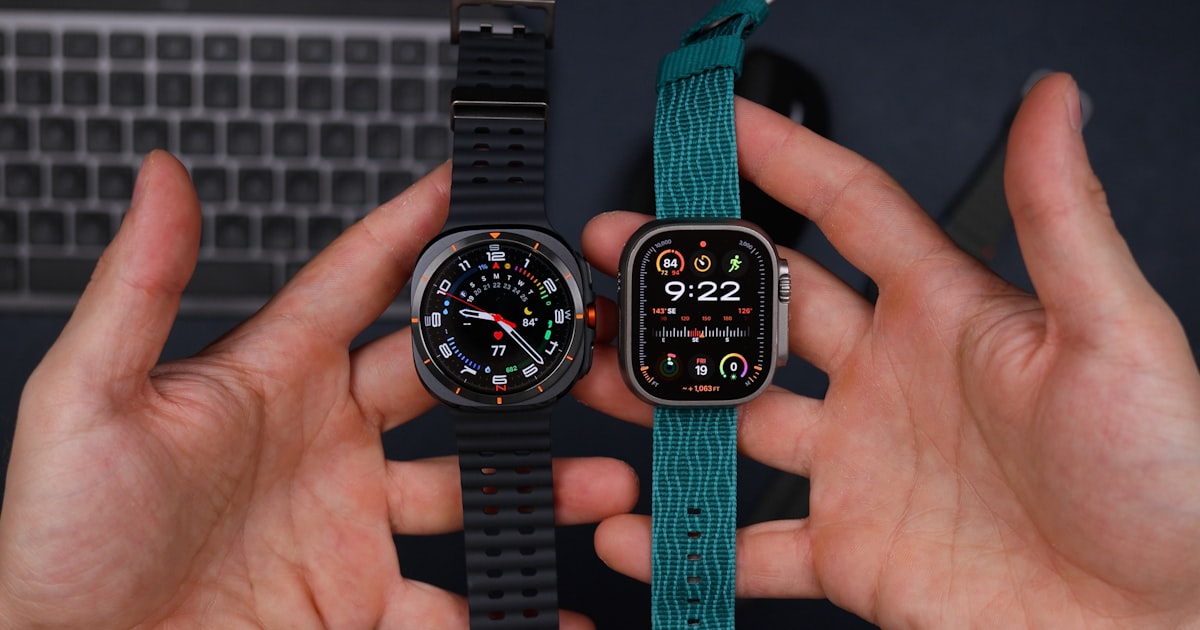
Optical wearables like Oura, Apple Watch, Whoop, and Fitbit use photoplethysmography (PPG) — they shine light into your skin and measure blood volume changes. That signal encodes heart rate, heart rate variability, and blood oxygen (SpO2 on some devices). Paired with an accelerometer and gyroscope (IMU), they detect wrist motion, orientation, and stillness.
From those two streams — PPG + IMU — the device infers:
- Sleep stages: light, deep, and REM sleep based on heart rate patterns, HRV, and motion.
- Activity: steps, workouts, swimming, typing.
- Recovery metrics: HRV trends, resting heart rate, respiratory rate derived from pulse waveforms.
All of that works because the sensor has direct contact with your body and measures physiological signals. Sleep staging from a wrist has been validated against polysomnography at around 70-80% agreement depending on the device and study (review of wearable sleep trackers).
What PPG + IMU wearables don't measure:
- Torso orientation: back, side, stomach.
- Bed presence: whether you're actually in bed or sitting on the couch with your arm still.
- Room-scale motion: how much you tossed across the mattress vs how much your wrist moved.
The sensor is on your limb. Your limb is not your torso. That's the constraint.
Why Blankets and Limb Placement Break Position Inference
Some apps try to infer position from wrist angle and motion patterns. The logic: if your wrist is flat and still, maybe you're on your back. If it's angled and tucked, maybe you're on your side.
That works on paper. It falls apart under blankets in actual beds.
Your arm moves independently of your torso. You can sleep on your back with your arm under the pillow (watch facing up). You can sleep on your side with your arm extended forward (watch still facing up). You can sleep on your stomach with your hand by your face (watch angled). Every position permits multiple wrist orientations.
Blankets obscure limb position relative to the body. A ring has no idea whether your hand is under the covers, on top, or dangling off the bed. The IMU logs "tilted 30 degrees left," but that could mean you rolled onto your side, or it could mean you adjusted your arm without rolling at all.
Position shifts happen in seconds; IMU logs them as wrist motion. When you roll from your right side to your back, your hand moves too — but was that a position change or just a scratch? The ring can't tell.
This is why even the most sophisticated wearables, including Oura's latest generation and Apple Watch Series 9, do not publish position tracking. The sensor is in the wrong spot. For a detailed comparison of what wearables can and can't do, see our guide on contactless sleep monitors compared and Oura vs. contactless sleep monitor.
What Contactless Bedside Sensing Is Designed For
A bedside radar or under-mattress mat takes a different approach. The sensor sits outside your body and measures:
- Body position through blankets: back, side, stomach, based on torso orientation and the shape of your form under the covers.
- Movement frequency: small shifts, full rolls, restless periods. This pairs with position to show how often you moved in each orientation.
- Bed presence: when you got in, when you got out, how long you stayed.
- Breathing and heart rate (on some radar devices): derived from micro-movements of your chest, not optical contact.
Contactless sensors don't measure sleep stages as reliably as a wearable — they lack the direct blood-flow signal. But they capture position and room-scale motion that wearables can't. For more on position tracking without a camera or wearable, see how to track sleep position without a camera.
Radar-based monitors use millimeter-wave (mmWave) or ultra-wideband (UWB) signals to sense motion and position through blankets. They sit on your nightstand or mount to the wall. No camera, no wearable, no pressure mat under the mattress. The form factor is built for position context.
Under-mattress mats like Withings Sleep Analyzer and Emfit QS use pressure or ballistocardiography (measuring the mechanical force of your heartbeat) to track presence, heart rate, and breathing. They're less effective at distinguishing back vs side sleep because the signal is mediated through the mattress, but they capture bed-in/bed-out and general restlessness well.
For a breakdown of contactless sleep monitor vs. wearable, including what each excels at, see our dedicated comparison.
When Using Both Makes Sense (And When It Doesn't)
Wearables and contactless monitors answer different questions. Sometimes you need both. Sometimes that's overkill.
Use both when:
- You want individualized recovery metrics (HRV, resting HR trends) and you want to know how much time you spent on your back because of snoring or acid reflux.
- You're tracking daytime activity and nighttime position separately — the ring handles steps and workouts, the bedside monitor handles position and bed presence.
- You're experimenting with position changes (trying to stay on your side or stop sleeping on your stomach) and want to see whether the new habit is sticking. The wearable confirms you slept; the contactless monitor shows what positions you kept.
Skip the double-tracking when:
- Your only goal is sleep duration and quality. A wearable alone is simpler, cheaper, and sufficient.
- You're trying to reduce device dependency and prefer a passive bedside monitor that doesn't require charging, wearing, or remembering. For that use case, see best sleep tracker without a wearable.
- You want position data but refuse to wear anything — the contactless monitor is the only tool that solves your job.
The key is knowing which question you're asking. If the answer is "how did I sleep?" a wearable handles that. If the answer is "what position was I in when the snoring started?" you need a sensor that sees your torso, not your wrist.
How to Pick Without the Ads Category Collapse
Google Ads and Amazon affiliate content have collapsed "sleep tracker" into one undifferentiated pile. The result: you search for "track sleep position" and get served Oura Ring ads. You search for "contactless sleep monitor" and see Apple Watch comparisons. Neither answers the question you asked.
Here's the decision tree:
Do you want biometric recovery trends (HRV, readiness, resting heart rate)? → Wearable. Oura Ring, Apple Watch, Whoop. These excel at individualized physiological signals.
Do you want sleep position (back / side / stomach) without a wearable or camera? → Bedside radar or under-mattress mat. Sleepal, Withings Sleep Analyzer, or Komori (coming 2027). These excel at position and presence.
Do you want both? → Use both, but know they're solving separate problems. Don't expect a ring to log your position, and don't expect a bedside radar to give you HRV trends as refined as a wrist-worn device.
Do you refuse to wear anything overnight and want the cleanest passive setup? → Bedside radar. No wearable, no mat install, just a small unit on your nightstand. For more on that decision, see best non-wearable sleep tracker and best radar sleep monitor.
The job decides the tool. If your job is position, wearables aren't the category.
What Komori Is Built For
Komori Care is a two-piece contactless monitor — 60 GHz radar + nightstand base — designed specifically for sleep position, movement, bed-exit logging, sound-event features, and bedroom environment context. It's built for people who want overnight position awareness without a camera or wearable.
What Komori does:
- Tracks back, side, and stomach time through blankets.
- Logs movement frequency and bed-exit events.
- Captures room environment (temperature, humidity) and on-device audio event classification (sound events classified locally; raw audio not retained unless explicitly requested).
- Syncs to cloud only when you opt in; default is local-first.
What Komori does not do:
- Sleep staging (no deep / light / REM).
- HRV or recovery scoring.
- Medical-grade vital signs.
Komori is a general wellness product in development, coming 2027. It is not a medical device, not FDA-cleared, and not intended to diagnose, treat, prevent, or cure any condition. It is not for seizure detection or SUDEP. For a full scope statement, see what Komori cannot do.
If overnight position context without a wearable or camera is the job you're hiring a device for, join the Komori waitlist to get notified when we launch. Kickstarter is planned for Q1 2027. The Insider Pass ($49) is optional for early access — details at komoricare.com.
The Honest Bottom Line
A ring or watch tracks what's happening inside your wrist. A bedside radar or mat tracks what's happening in your bed. They're both "sleep trackers," but they answer different questions.
If you bought a wearable expecting position data, you bought the wrong category. That's not the device's fault — it's doing exactly what it was built to do. The fault is in the search results that lump all sleep tracking into one bucket and rank by affiliate payout instead of job fit.
Know your question. Pick the tool that answers it. And when someone says "just get an Oura Ring," ask them: does it track position? If your answer needs to be yes, it's not the right pick.
Komori Care is a contactless sleep monitor in development — radar + ambient + on-device audio, no wearable, no camera. Kickstarter launching Q1 2027. Join the waitlist to get notified when we ship.
Keep reading
- Oura vs. contactless sleep monitor — the head-to-head for wrist wearable vs bedside radar.
- Contactless sleep monitors compared 2026 — the full buyer's guide for bedside, under-mattress, and smart mattress options.
- How to track sleep position without a camera — the complete guide to logging position without video surveillance.
- Contactless sleep monitor vs. wearable — jobs-to-be-done comparison of the two categories.
- How often the average person moves at night — what movement frequency data reveals about sleep quality and comfort.
You can choose a position at lights-out. Knowing what you held until morning is the hard part.
Komori is a contactless monitor that logs which position you slept in, through blankets, with no camera and nothing to wear. Pre-launch — join the list and we'll tell you when it ships.
Keep reading
Want to see your sleep position data?
Join the free waitlist for launch updates. Or lock in founder pricing with the Insider Pass ($49, credited toward your purchase).